
STROKE REHABILITATION AT HOME
The first two months matter most
 Written by: Muhammet Talha Bagdat, PT | Physiotherapist | Last updated: 20 September 2026
The weakness that follows a stroke leaves patients unable to use parts of their body. Physiotherapy and rehabilitation are what allow them to adapt to daily life again.
In the acute phase, rehabilitation is aimed at getting the patient back to ordinary activity. A plan is built around that particular patient's situation and carried through. The purpose is to keep the physical losses to a minimum and to give the patient a way back into their own life.
Can a stroke be recovered from with physiotherapy?
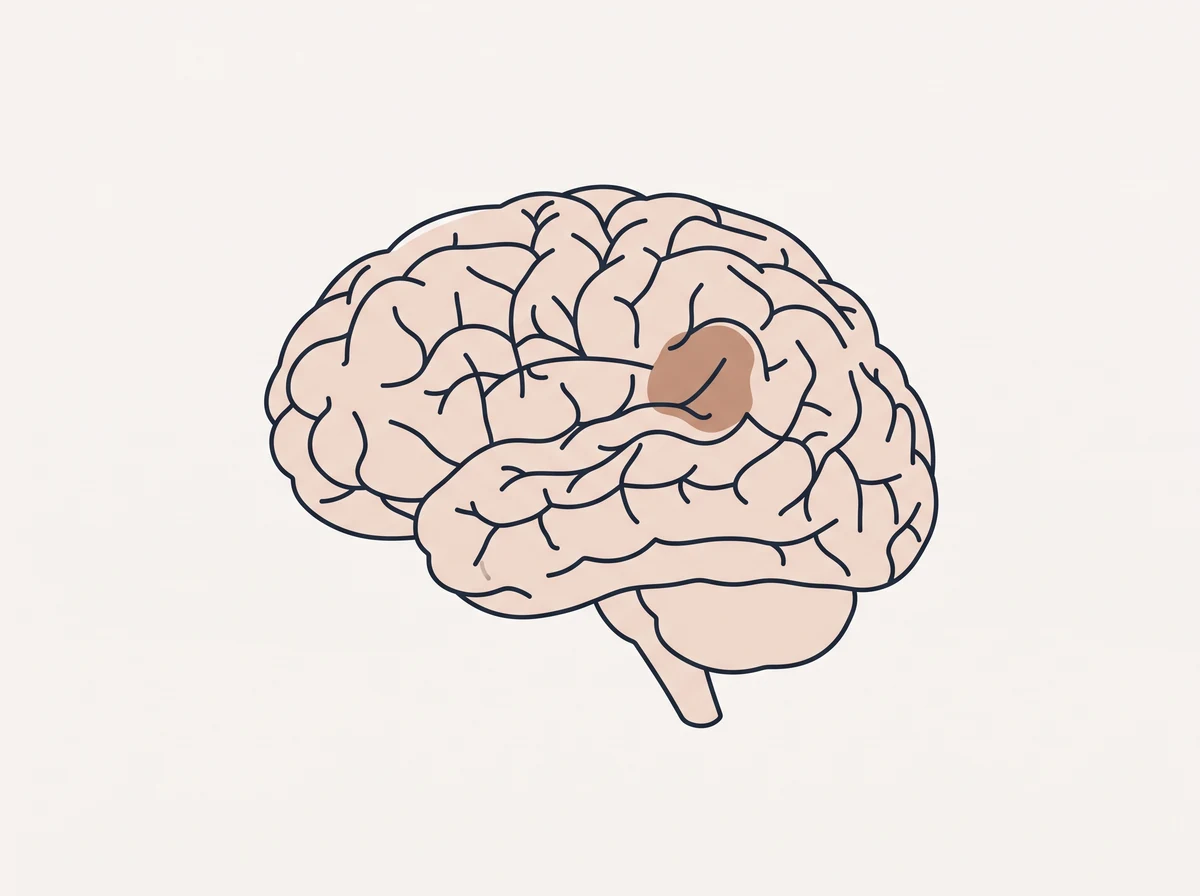
Recovery after a stroke is possible because of neuroplasticity — the brain's ability to reorganise itself. Areas next to the damaged region can take over its work over time. The stimulus that starts and accelerates that process is regular, repeated, goal-directed exercise. Physiotherapy is not a supporting part of recovery after a stroke; it is the centre of it.
How much recovery is possible varies from patient to patient. The site and size of the damage, how long ago the stroke happened, the patient's age, other conditions and whether the programme is followed consistently are the main factors. No physiotherapist can promise a specific outcome in advance — but a well-planned programme is known to improve mobility, independence and quality of life substantially.
When should rehabilitation start?
As early as possible, from the moment the patient's doctor considers their general condition stable. Correct positioning and range-of-movement work in the first weeks prevent the permanent problems that make treatment far harder months later. The rate of recovery is highest in the first three to six months, so time matters.
That said, if those first months have passed it is not too late. Patients a long way from their stroke can still make progress in balance, walking and daily activities. At that stage the aim shifts towards preserving the function that remains, increasing independence and preventing complications.
What does stroke rehabilitation involve?
The programme is planned for each patient individually. It usually covers:
• Positioning and bed exercises — arranging how the patient lies and sits to prevent pressure sores, shoulder pain and joint stiffness
• Range-of-movement work — movements that prevent muscle shortening and contracture
• Strengthening — building strength gradually in the affected arm and leg
• Balance, sitting and standing — work that reduces the risk of falling and increases independence
• Gait training — relearning to walk, with a stick, a frame or an ankle orthosis where needed
• Hand and arm function — task-based work on grasping, releasing and fine movement
• Daily living activities — relearning dressing, eating, using the toilet and bathing
• Managing spasticity — controlling increased muscle tone with stretching, positioning and, where needed, electrical stimulation
Where there are difficulties with speech, swallowing or cognition, a speech and language therapist, an occupational therapist and a neurologist need to be involved. Physiotherapy is one part of that team.
Why treat a stroke patient at home?
Taking a patient to hospital for every session is exhausting for the patient and the family. The risk of falling rises during transfer, and the patient's energy is spent before the session begins. At home the session happens in the environment the patient actually uses: they sit up in their own bed, walk in their own hallway, practise getting in and out of their own bathroom. That makes the skills gained far easier to carry into daily life.
The physiotherapist also assesses the home itself, and suggests changes — rugs, thresholds, lighting, grab rails — that reduce the risk of a fall.
How long does it take, and how many sessions?
There is no single answer. Neurological rehabilitation is measured in months rather than weeks. Three to four sessions a week is typical at the start, reducing as the patient becomes more independent and shifts towards a home programme. What matters more than the number is consistency: an irregular programme loses what it has gained.
The family's part
Recovery after a stroke does not happen in the session alone. The family learns positioning, safe transfers and the exercises to repeat between visits. We show them how, because the hours between sessions are where much of the progress is made — or lost.
This page is for information only and does not replace examination or medical diagnosis.