
HOW HOME PHYSIOTHERAPY WORKS
A physiotherapist at your door.
 Written by: Muhammet Talha Bagdat, PT | Physiotherapist | Last updated: 20 September 2026
Home physiotherapy
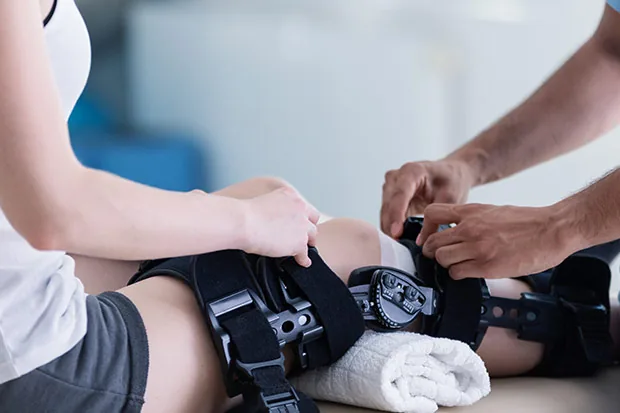
The aim of physiotherapy at home is to return the patient to their previous condition in the shortest reasonable time. The patient is followed closely and a range of methods and equipment is used to get there. Our team carries out physiotherapy in the home with exercise, manual therapy and electrical current techniques. The treatment and rehabilitation programme is set by the physiotherapist who assesses you.
Which patients is it for?
Home physiotherapy is used for patients with multiple sclerosis and after a stroke; for orthopaedic conditions such as hip and knee replacement, cruciate ligament surgery and hip fracture; for spinal cord injury and Parkinson's disease; and for older patients with weakness in walking and loss of muscle. It is also used after intensive care, in cancer rehabilitation, and for ALS, lumbar and cervical disc herniation, cerebral palsy, blood disorders, spina bifida and torticollis.
Treatment at home gives the patient a sense of comfort and safety, and the setting can be arranged around their condition. For patients who struggle to get to a hospital it removes a set of real difficulties, and recovery tends to be faster. There is no waiting: the physiotherapist works one to one with the patient for the whole session, which means more time spent on treatment and a clearer picture of where the patient actually is.
How many sessions does it take?
A home session generally runs between one hour and an hour and a half. How many are needed depends on the patient's age, condition and physical capacity. Three or four sessions a week is a typical programme.
What happens in the first session?
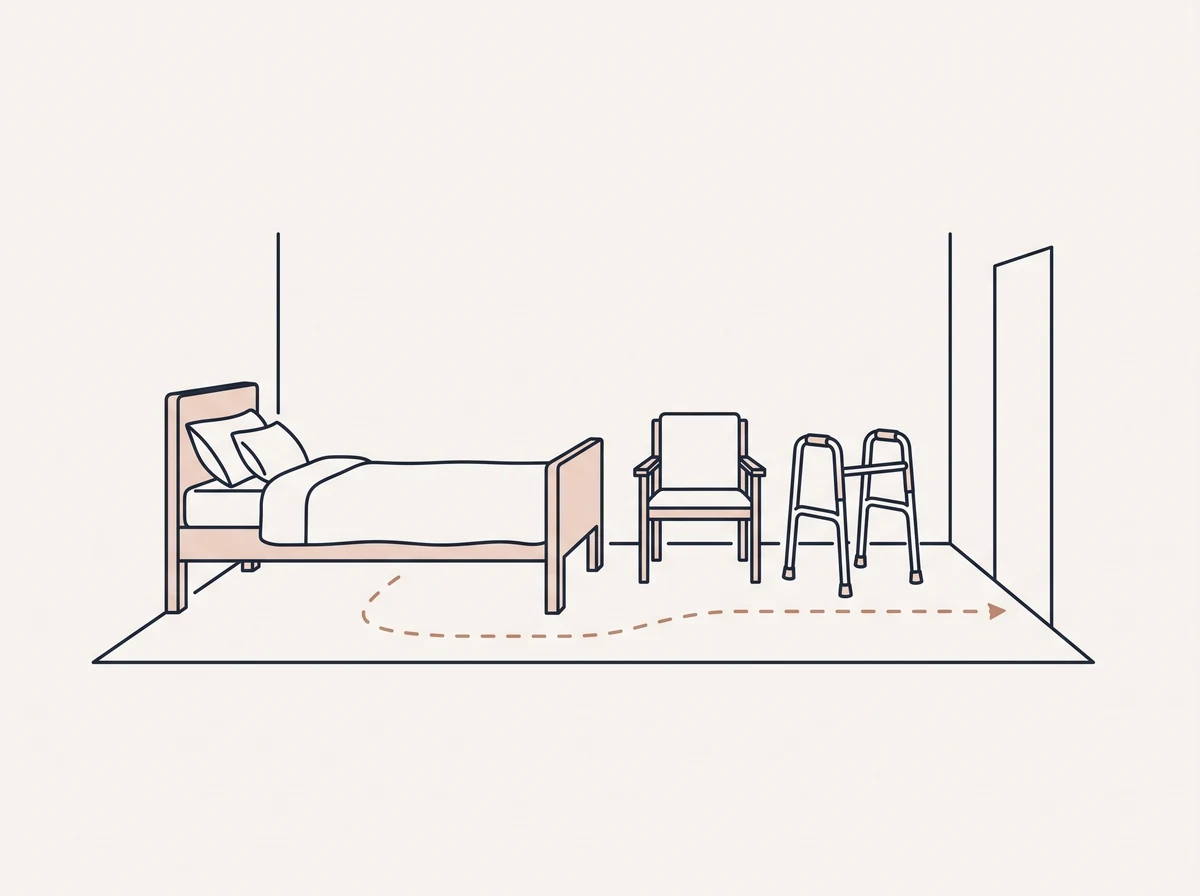
The first session is an assessment. The physiotherapist goes through the diagnosis, the reports and the medication, then measures muscle strength, joint movement, balance and how independent the patient is in daily life. The home itself is part of that assessment: the height of the bed, the route to the bathroom and the width of the hallway all affect the plan. Goals and programme are agreed with the patient at the end of the session.
What equipment is used at home?
Where it is needed the physiotherapist brings a portable electrotherapy unit, hot and cold packs, resistance bands, weights and balance equipment. Things already in the house — the bed, a chair, the stairs — are used as part of the programme, which is one of the advantages of treating people where they live.
What sort of space is needed?
No special room or equipment is required. A bed or couch the patient can lie on comfortably, enough room for the physiotherapist to move around, and a floor without loose rugs is enough. Good lighting and a clear route to the bathroom matter as much for safety as for the treatment itself.
How is the frequency decided?
Frequency follows the diagnosis. Neurological rehabilitation is usually three to four sessions a week, orthopaedic problems two or three. The programme is reviewed as the patient progresses and the frequency is reduced towards the end.
Who is home treatment not suitable for?
Patients who need continuous medical supervision, who are unstable, or whose programme requires clinical equipment such as a hydrotherapy pool or robotic gait training cannot be treated at home. If the assessment shows that is what is needed, we say so and refer the patient on. These pages are for information; they do not replace examination or medical diagnosis.